FIXED.zone: A Shopify store free of technical debt, SAP migration without downtime
About the project
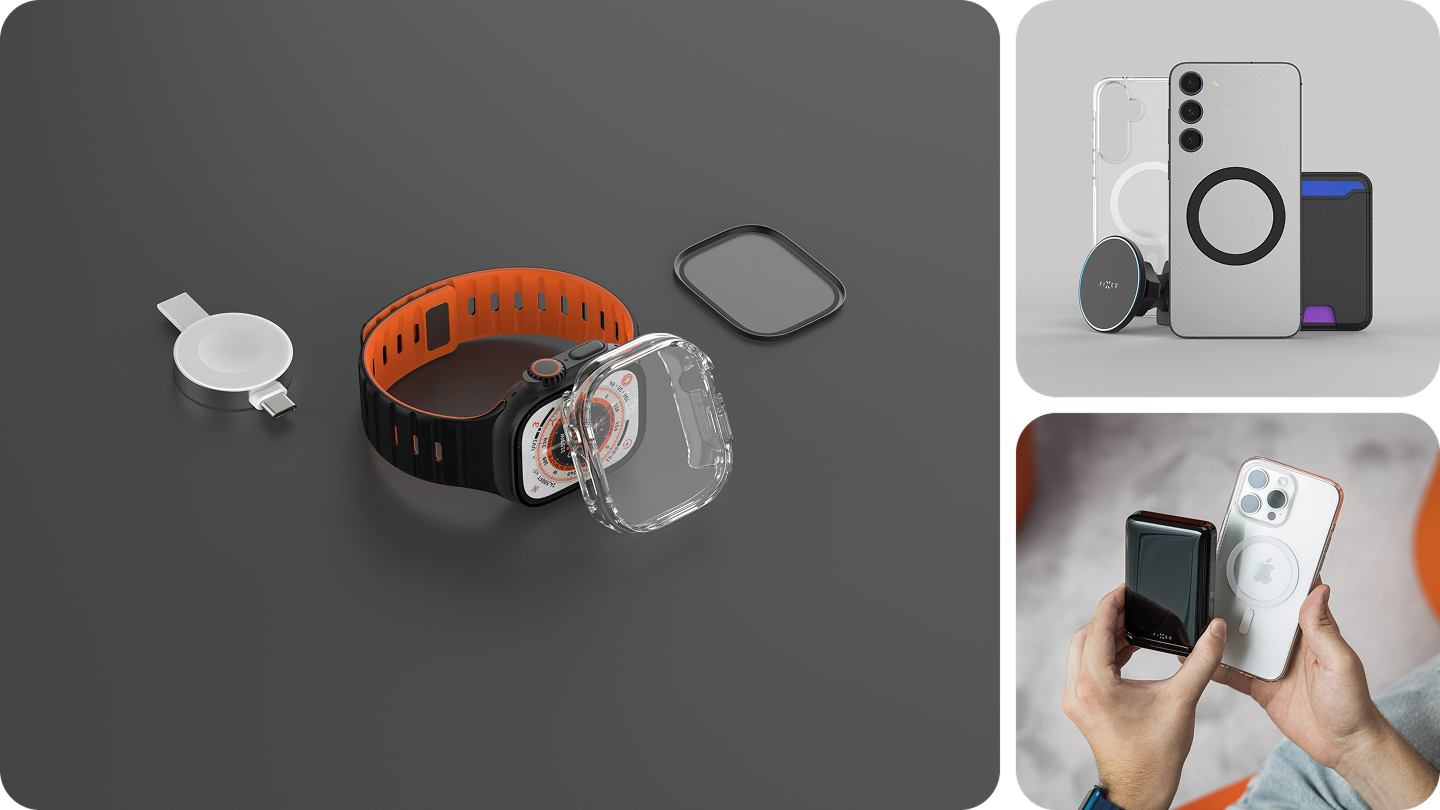
FIXED.zone is a Czech company with more than 20 years of history. It designs, manufactures, and distributes accessories for phones, tablets, and smart devices under its own FIXED brand. The company also distributes international brands and is publicly traded on the Prague Stock Exchange.
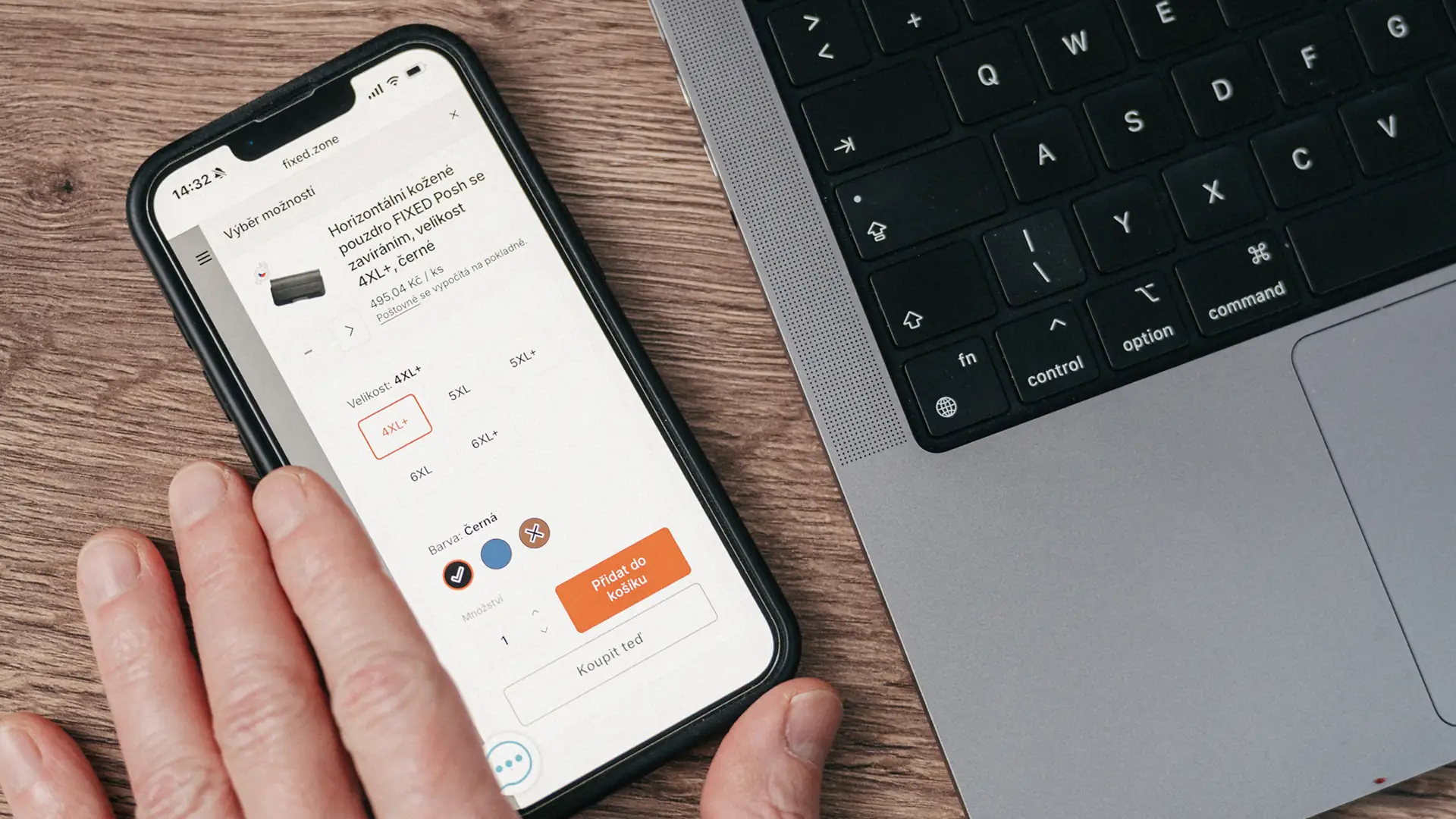
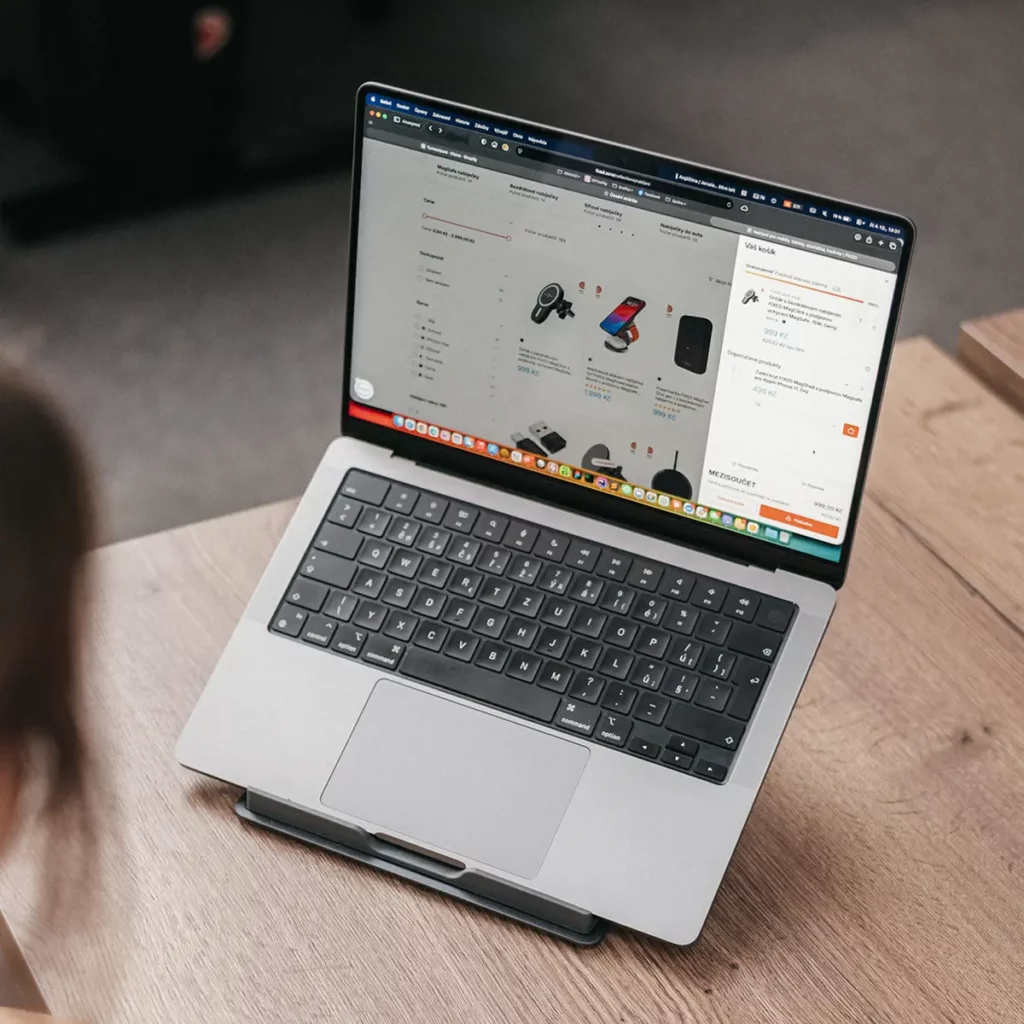
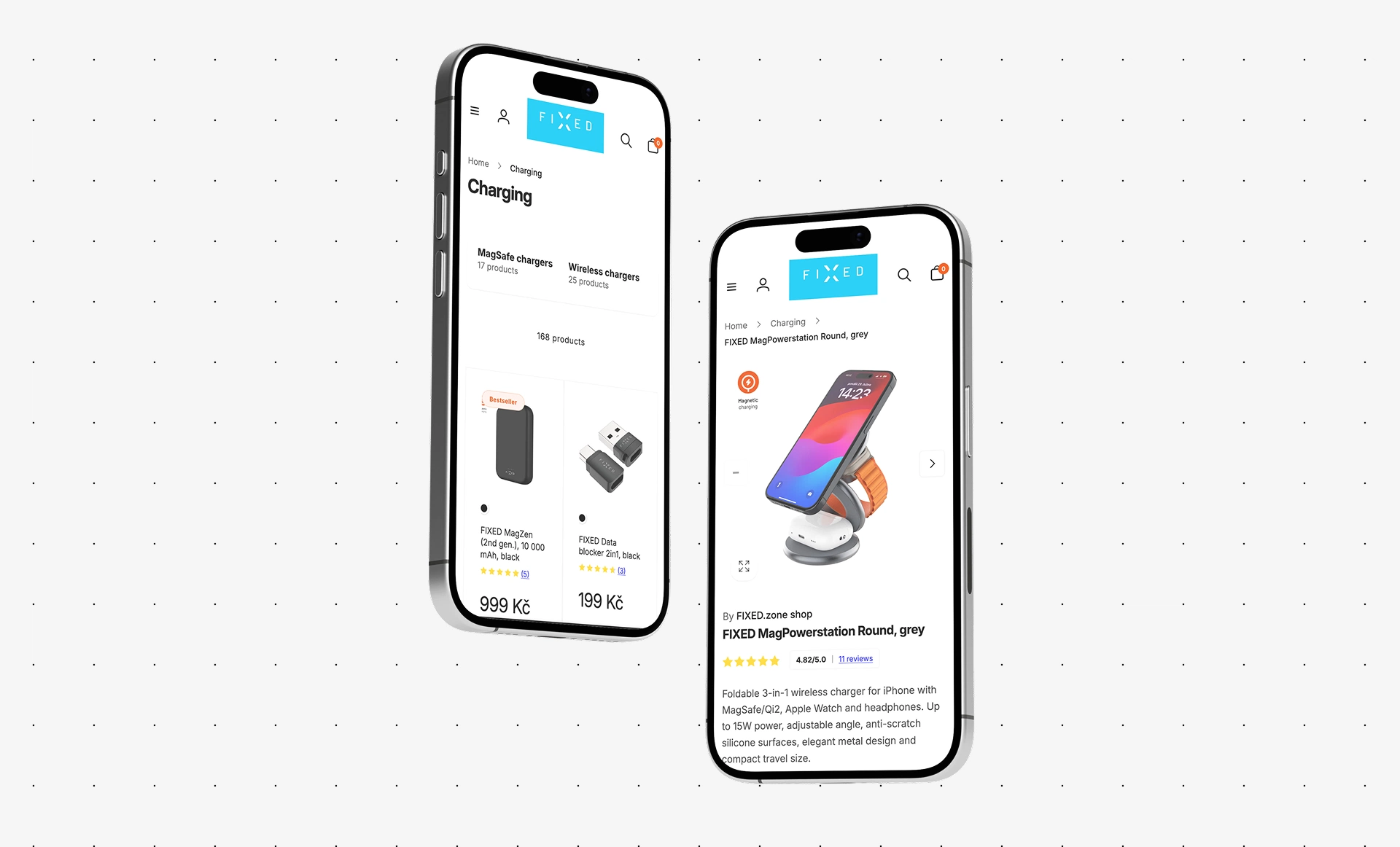
Its Shopify-based D2C store is a key sales channel, one that lets the team combine out-of-the-box solutions with custom development as needed.
Over time, working with the previous vendor had exposed problems across several areas: unstable project management, with four different project managers rotating through the account in a single year; an unsystematic approach to requests that created complications further down the line; and a growing number of requests the vendor deemed difficult or impossible to deliver.
On top of that, the company was planning a move to a new SAP ERP system and had serious doubts about whether the previous vendor could even handle that integration.
Challenges
- Technical debt: the existing Shopify setup prevented the client from making full use of the platform and complicated every new change.
- A planned SAP migration: a mission-critical integration requiring a deep understanding of the existing system. Any failure would mean downtime with a direct impact on customers — and on the client’s business.
- A team stuck in day-to-day operations: manual, repetitive steps in the order process were consuming capacity that should have gone toward growing the D2C channel.
- Low confidence in the existing setup: the client couldn’t tell what in the system was intentional and what was a patch. Without that clarity, safely moving development forward wasn’t possible.
Our role
- Analyzed the existing Shopify instance and identified problem areas
- Stabilized the store, then continued its development
- Prepared and delivered the integration with the new SAP ERP system
- Project management
Argo22 took ownership of the entire project, from analyzing the current state through to delivering the SAP integration and going live. This wasn’t a matter of picking off individual tickets. It was an end-to-end partnership.
Solution and approach
Rather than jumping straight into development, we first mapped the existing store: what worked as intended, what was a patch, and what was causing side effects with every change.
- Shopify audit: mapping intentional solutions against ad hoc patches
- Prioritization: what needed fixing before the migration, what could wait, and what should come only after stabilization
- Technical debt cleanup: removing the layers blocking further development
- SAP integration: design, implementation, testing, and deployment
- Template-level development: a custom Shopify extension adding ERP data to customer accounts (internal order numbers, document access, and more)
- Continuous documentation: every step recorded, so the system never became a black box
Beyond the SAP integration, the project involved extensive work at the Shopify template level: multilingual content, product data localization, and load-time optimization for a catalog of more than 5,000 products. The focus throughout was on performance, SEO indexing, and long-term maintainability.
The analysis phase initially looked like it was slowing things down. In hindsight, the client points to it as the main reason the migration went off without a hitch.
The project required coordinating three parties (Argo22, FIXED.zone, and the SAP vendor), which put real demands on project management and ongoing communication. Without that, the migration simply wouldn’t have been possible.
List of technologies





Results and impact
The project delivered a stable store that lets the client focus on growing its D2C channel.
- Freed-up capacity for D2C growth. After stabilization, FIXED.zone launched new marketing campaigns to raise the store's visibility. Order volume continues to grow steadily.
- SAP migration without downtime. The move to SAP was invisible to customers. Consistent experience, no outages, nothing customers would ever notice.
- No vendor lock-in. The client has full documentation and complete control over the system.
- 30 hours of manual work saved every month. Removing ad hoc fixes and automating manual steps freed up capacity on the internal team. Time that used to go into repetitive operations is now available for growth.
Key takeaways
- Analysis before development is an investment, not a delay. Time spent understanding the original system pays off in less rework, cleaner code, and smoother execution of demanding phases like an ERP migration.
- Documentation is the shared language between the client, external vendors, and our team. It gives everyone a single source of truth that multiple teams can build on.
- Technical debt compounds. Every patch adds a layer that makes the next request harder to work around. The longer it's ignored, the bigger the fix that's eventually needed.
- ERP migrations shouldn't be an afterthought. Planning for one from day one is what makes a downtime-free migration possible.
- Shopify can handle enterprise-level complexity. Custom extensions, a large catalog, and deep ERP integrations show the platform scales even in cases that usually call for custom-built solutions.